


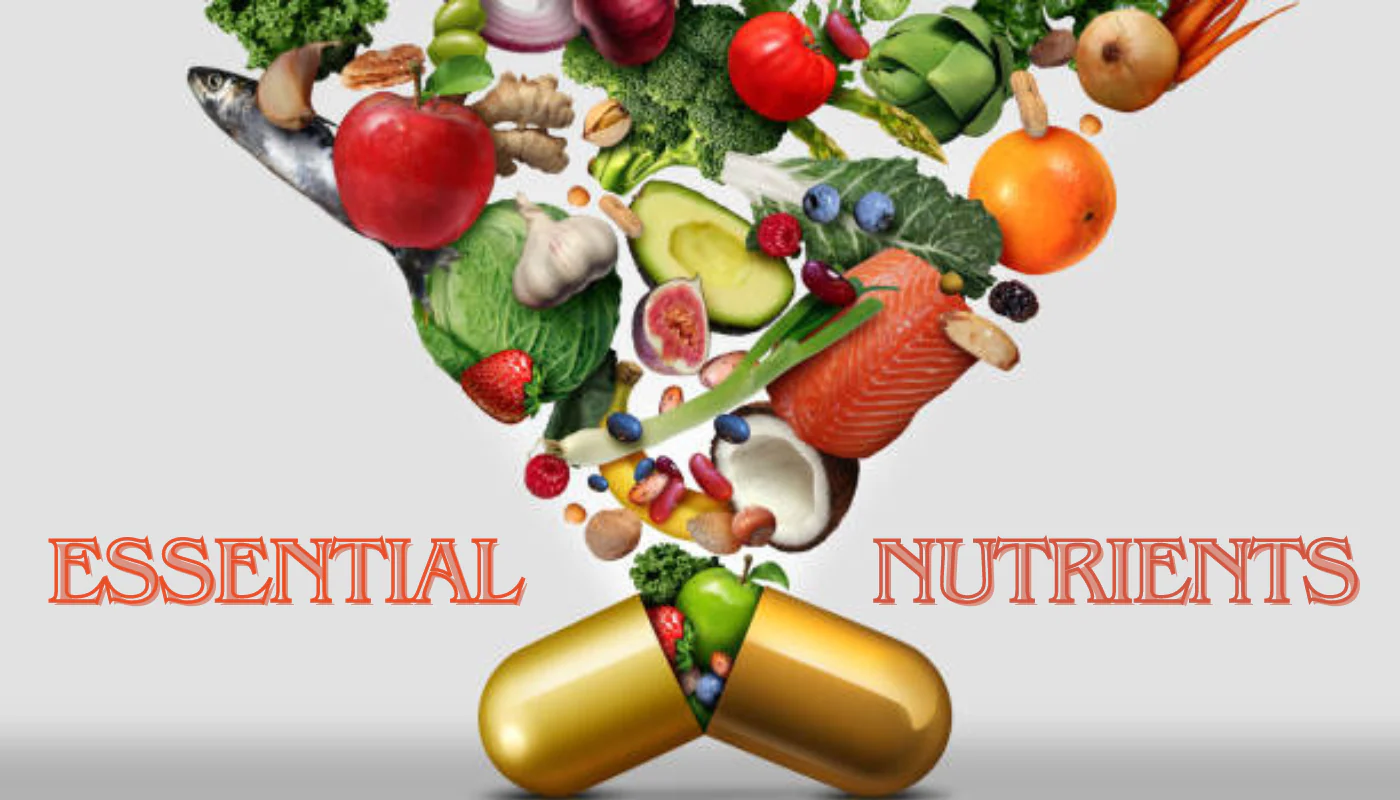
Your body needs a wide range of nutrients to perform everyday functions, from producing energy and repairing cells to supporting immunity and maintaining healthy organs. These nutrients come from the foods you eat and work together to keep your body strong and healthy.
Many people focus only on calories when thinking about nutrition, but the quality of those calories matters. A diet that provides the right balance of essential nutrients can support better energy, improved physical function, and long-term health.
Understanding the different types of nutrients and their roles can help you make smarter food choices and create a more balanced diet.
What Are Essential Nutrients?
Essential nutrients are substances that your body needs but cannot produce in sufficient amounts on its own. Therefore, they must come from your diet.
The six major groups of essential nutrients are:
- Carbohydrates
- Proteins
- Fats
- Vitamins
- Minerals
- Water
Each nutrient has a specific role, and a deficiency in any important nutrient may affect your overall health.
Carbohydrates: The Body’s Main Energy Source
Carbohydrates are one of the primary sources of energy for your body. They are broken down into glucose, which fuels daily activities and supports brain function.
Healthy sources of carbohydrates include:
- Whole grains
- Fruits
- Vegetables
- Beans
- Lentils
Not all carbohydrates are the same. Whole, minimally processed carbohydrate sources generally provide more fiber and nutrients compared with highly processed foods containing added sugars.
Proteins: Building and Repairing the Body
Protein is an essential nutrient that helps build and repair tissues. It plays an important role in maintaining muscles, producing enzymes, supporting immune function, and creating important body chemicals.
Good sources of protein include:
- Eggs
- Fish
- Chicken
- Dairy products
- Beans
- Lentils
- Soy products
- Nuts and seeds
Including protein in your meals can also help you feel full and satisfied.
Healthy Fats: Important for Body Functions
Although fats are often misunderstood, they are an essential part of a healthy diet. Your body needs fats for energy, hormone production, brain function, and absorption of certain vitamins.
Sources of healthy fats include:
- Avocados
- Olive oil
- Nuts
- Seeds
- Fatty fish
The goal is not to eliminate fats but to choose healthier types and consume them in appropriate amounts.
Vitamins: Supporting Overall Health
Vitamins are organic compounds that help regulate many processes in the body. Different vitamins have different functions, including supporting immunity, vision, skin health, and energy metabolism.
Examples include:
Vitamin A
Supports vision, immune function, and healthy skin. It can be found in foods such as carrots, sweet potatoes, and leafy green vegetables.
Vitamin C
Helps support immune function and acts as an antioxidant. Sources include citrus fruits, berries, and peppers.
Vitamin D
Plays an important role in bone health and calcium absorption. It can be obtained through sunlight exposure and certain foods.
B Vitamins
Support energy metabolism and normal nervous system function. They are found in foods such as whole grains, eggs, dairy products, and meat.
Minerals: Essential for Body Processes
Minerals are nutrients that help maintain important body functions, including bone strength, fluid balance, and nerve function.
Important minerals include:
Calcium
Helps maintain strong bones and teeth. Sources include dairy products, leafy greens, and fortified foods.
Iron
Supports the production of healthy blood cells and helps transport oxygen throughout the body. Sources include meat, beans, lentils, and spinach.
Potassium
Helps maintain normal muscle and nerve function. It is found in foods such as bananas, potatoes, and vegetables.
Magnesium
Supports muscle function, energy production, and many chemical reactions in the body. Sources include nuts, seeds, and whole grains.
Water: The Most Important Nutrient
Water is essential for survival and supports almost every function in the body.
It helps with:
- Temperature regulation
- Digestion
- Nutrient transportation
- Waste removal
- Joint lubrication
Not drinking enough water may lead to dehydration, which can affect energy levels and physical performance.
Fiber: Important for Digestion
Although fiber is not classified as one of the six major nutrients, it is an important part of a healthy diet.
Fiber supports:
- Healthy digestion
- Regular bowel movements
- Feeling full after meals
- Balanced blood sugar levels
Good sources of fiber include:
- Fruits
- Vegetables
- Whole grains
- Beans
- Nuts and seeds
What Happens When Your Body Lacks Nutrients?
A lack of essential nutrients can affect your health in different ways.
Possible signs of nutrient deficiencies may include:
- Low energy
- Weakness
- Poor concentration
- Changes in skin or hair health
- Reduced immunity
- Slow recovery from illness
A balanced diet helps reduce the risk of nutritional deficiencies.
How to Get Enough Essential Nutrients
The best way to meet your nutritional needs is by eating a variety of whole foods.
Helpful habits include:
- Eat different types of fruits and vegetables.
- Include protein with meals.
- Choose whole grains more often.
- Drink enough water.
- Add healthy fats in moderation.
- Limit highly processed foods.
- Avoid relying only on supplements for nutrition.
A varied diet provides a wider range of nutrients compared with eating the same foods every day.
Conclusion
Essential nutrients are the foundation of good health. Carbohydrates, proteins, fats, vitamins, minerals, water, and fiber all play important roles in helping your body function properly.
Instead of focusing on one specific nutrient or food, aim for a balanced diet that includes a variety of nutritious foods. Making healthy choices consistently can support your energy levels, body functions, and overall well-being.
Nutrition Disclaimer: This article is intended for informational purposes only and should not be considered medical or dietary advice. Nutritional needs vary from person to person. Consult a qualified healthcare professional or registered dietitian for personalized guidance.