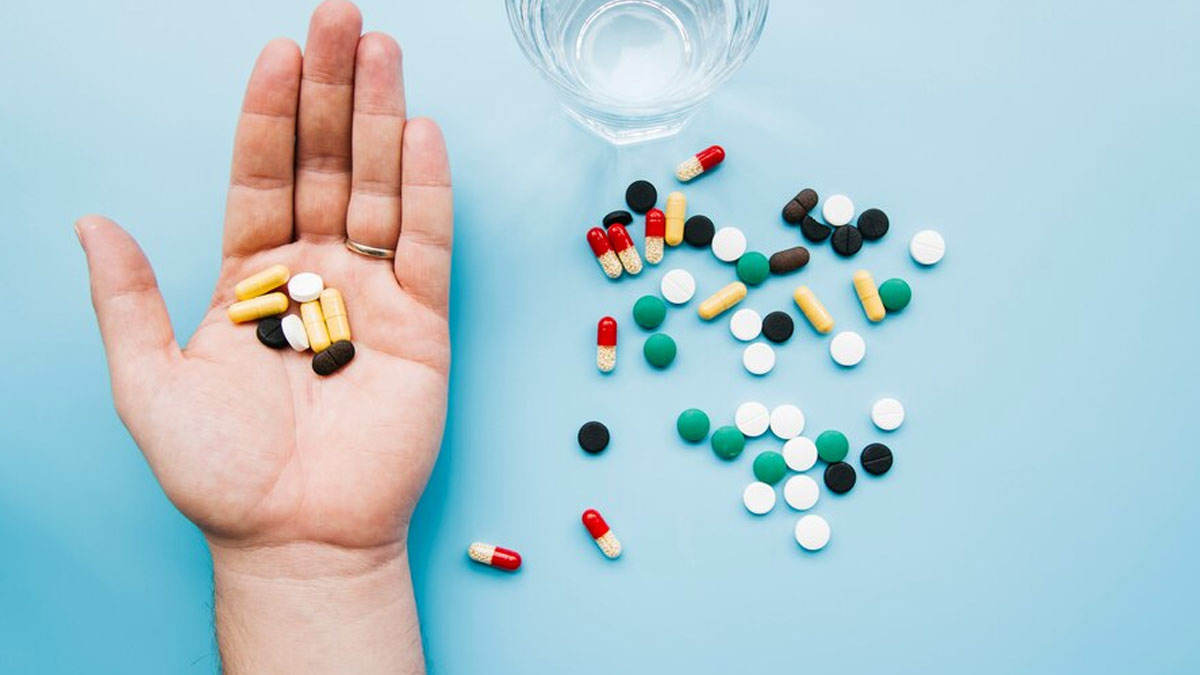



Modern health care revolves around medicine. They deal with illnesses, manage symptoms, control long-term health problems, stop some diseases and help people recover after medical operations. They are now integral to health care for people of all ages—from drugs to treat common infections to medicines prescribed for chronic conditions.
But medicine isn’t simply about choosing a product and administering the right dose. There are a lot of reasons to develop drugs. The way you take a medicine can affect how well it works. By knowing the basics about medicines, patients can be more responsible in following the treatment and choosing more safely.
Choosing the right medicine
Choosing the right medicine depends on many things like health condition, symptoms, age, medical history and other medicines taken. One person’s success is another’s failure. This is one of the reasons why prescription drugs must be taken under the advice of a qualified healthcare professional.
Sometimes the risk of self-medication is not worth it. “Treating the wrong thing can delay the right treatment. Things that are very different can look very similar.” Any persistent, severe or unusual symptoms should be reported to a medical practitioner, so that the underlying problem is properly assessed.
The power of the amount
There’s a reason every medicine has a recommended dosage. The dose is how much medicine you take and how often you take it. If you don’t use as much as is recommended, you might not get the benefit you are expecting,” she says. Taking more than this increases your risk of side effects or other problems.
Length of treatment is also a factor. Some medicines are given for a short time, some for a longer time. Take this medicine exactly as your doctor has told you to. If you are not sure ask your doctor or pharmacist. Do not take a double dose to make up for a missed one.
Possible Side Effects
Some medicines may have side effects, even when taken correctly. You may get mild side effects. Other side effects not listed here may occur. Tell your health care professional if you notice any other effects. If patients read the information when it is given with the medicine it will help them to know what to expect and when to seek professional advice.
It should also be discussed with a healthcare provider if any current medications and supplements. Some medicines can interact with each other and affect how well one or both of the medicines work. “Health care providers need access to complete medication information so they can make better treatment decisions.
How to store medicines correctly
A factor often overlooked is the storage of medicines, but it can affect the quality of some products. Some medicines need to be kept at room temperature while others may need to be kept away from heat, moisture or direct sunlight. Some medicines should be kept in a fridge.
Keep medicines in the original containers. This will help you to see the name, dosage, expiry date and storage details. Keep medicines out of reach of children and pets, as well, to further reduce the risk of accidental ingestion.
Verify Expiration Dates
Another simple but significant habit is checking expiry dates. Do not take any medicines after the expiry date (month, year) shown on the pack unless your doctor tells you to. Some medicines may deteriorate or lose their potency over time.
Regularly check your medicine cabinet for expired or unused products. Medicines also need to be disposed of properly. They can pose a threat to the environment and safety if they are carelessly disposed of or flushed down a drain.
Why you should trust your information on medicine
“There’s more and more health resources online, so it’s easier to find out about medicines. Easy to research treatments, prescriptions, side effects and general health topics. This can be useful but not all sources on the internet are reliable.
Get health information from a reputable health care organization, qualified health professionals, pharmacies, or other reliable medical sources. The internet can provide background information, but should not be used as a substitute for advice from a medical professional when making decisions about prescription drugs or ongoing treatment.
What is the effect of technology on medicine management
Technology is also helping people take control of their medication. Digital health platforms can help patients to track prescriptions and get important healthcare information and treatment related information. These tools can be particularly useful for patients who are treated often or who take a lot of medicines.
Technology can also be used to improve how health care providers keep track of and manage medicines. Digital records can improve communication among health care professionals and make relevant information more accessible to them. If used correctly, technology can help to reduce the admin work and help to bring the healthcare experience together in an organized way.

Responsible health care and pharmaceuticals
Medicines can be very helpful if used properly but responsible use is an important part of the process. You can help to make medicines safer by reading instructions, taking professional advice, checking expiry dates, storing medicines properly and asking questions if you are not sure about anything.
It is also important not to give prescription drugs to other people. Symptoms may be similar but that does not mean the same medication is going to work for them. Other medicines, allergies, medical conditions and individual health issues may affect the right medicine.
So good medicine management is not just the medicine. It’s knowing the treatment, following the instructions, finding reliable sources, knowing when to consult a professional.
With healthcare becoming ever more connected and technology-driven, access to reliable information on medicines will be increasingly important. Together – patients, healthcare professionals, pharmacies and digital health platforms – medicines can be used safer and better.
Drug is an important part of health care Yet it is in their judicious employment that we may reap the benefits which they afford. A little bit of care about dosage, storage, expiry dates, possible interactions and professional advice can make everyday healthcare so much safer and responsible.