


Dietary supplements have become extremely popular in recent years. From multivitamins and protein powders to herbal products and special health formulas, many people use supplements with the belief that they are necessary for maintaining good health.
However, an important question remains: Can you stay healthy without taking supplements?
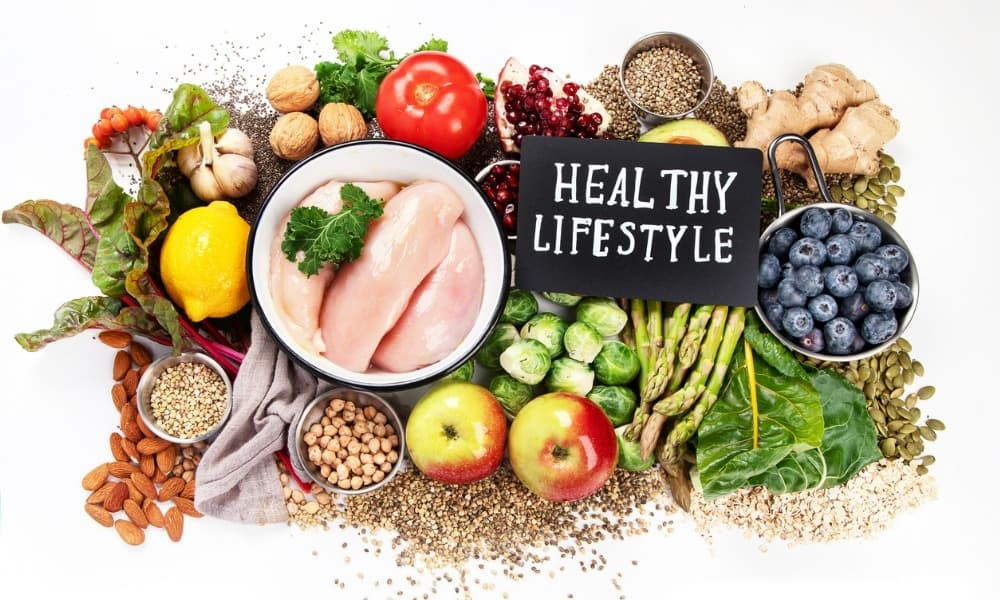
For most people, a balanced diet that includes a variety of nutritious foods can provide the essential nutrients the body needs. Supplements can be helpful in certain situations, but they are not a replacement for healthy eating habits.
Understanding the role of supplements can help you make better decisions about your nutrition.
What Are Dietary Supplements?
Dietary supplements are products designed to provide additional nutrients that may be missing or insufficient in a person’s diet.
They are available in different forms, including:
- Tablets
- Capsules
- Powders
- Liquids
- Gummies
Common supplements include:
- Multivitamins
- Vitamin D
- Calcium
- Iron
- Protein powders
- Omega-3 supplements
Supplements are intended to support nutrition, not replace a balanced diet.
Can a Healthy Diet Provide Enough Nutrients?
Yes, for many people, a well-balanced diet can provide most of the nutrients required for good health.
Whole foods contain a combination of nutrients that work together in ways supplements may not fully replicate.
Examples of nutrient-rich foods include:
- Fruits and vegetables
- Whole grains
- Eggs
- Fish
- Lean meats
- Beans and lentils
- Nuts and seeds
- Dairy products
Eating a variety of foods helps your body receive a broad range of vitamins, minerals, fiber, and other beneficial compounds.
Why Do Some People Take Supplements?
Although many people can meet their nutritional needs through food, some individuals may require supplements due to specific circumstances.
Healthcare professionals may recommend supplements for people who:
- Have diagnosed nutrient deficiencies
- Follow restrictive diets
- Have certain medical conditions
- Have increased nutritional needs
- Are unable to absorb certain nutrients properly
In these situations, supplements may play an important role in supporting health.
Are Supplements Better Than Natural Foods?
Supplements can provide specific nutrients, but they do not offer all the benefits of whole foods.
Whole foods contain:
- Fiber
- Antioxidants
- Natural plant compounds
- Multiple nutrients that work together
For example, eating an orange provides vitamin C along with fiber and other beneficial plant compounds. A vitamin C tablet may provide the vitamin, but it does not provide all the nutritional components found in the fruit.
Can Taking Too Many Supplements Be Harmful?
Many people assume that because supplements are available without a prescription, they are always safe. However, excessive use of certain supplements can cause problems.
Taking high amounts of some nutrients may lead to:
- Unwanted side effects
- Interactions with medications
- Nutrient imbalances
- Health complications
More is not always better when it comes to nutrition.
Always follow recommended doses and seek professional advice before taking high-dose supplements.
When Might Supplements Be Helpful?
Supplements may be beneficial when there is a genuine nutritional need.
Examples include situations where a person may need additional support for:
- Vitamin deficiencies
- Certain stages of life
- Specific health conditions
- Increased nutritional requirements
The decision to take a supplement should be based on individual needs rather than trends or advertisements.
Common Myths About Supplements
Many misconceptions exist about supplements and health.
Myth 1: Supplements Can Replace a Poor Diet
Supplements cannot make up for consistently unhealthy eating habits.
A diet high in processed foods and low in nutrients cannot usually be corrected by simply adding a supplement.
Healthy eating habits remain the foundation of good nutrition.
Myth 2: Natural Supplements Are Always Safe
The word “natural” does not always mean risk-free.
Some natural products can interact with medicines or affect certain health conditions.
Always discuss supplement use with a healthcare professional if you have concerns.
Myth 3: Everyone Needs a Multivitamin
Not everyone requires a daily multivitamin.
People with a balanced diet may already receive adequate nutrients from food.
Supplement needs vary from person to person.
How to Improve Nutrition Without Supplements
If you want to improve your health naturally, focus on your daily food choices.
Helpful habits include:
- Eat a variety of colorful fruits and vegetables.
- Include protein sources in your meals.
- Choose whole grains more often.
- Drink enough water.
- Reduce highly processed foods.
- Plan balanced meals.
- Maintain regular eating habits.
These simple steps can improve overall nutrition without depending on supplements.
Questions to Ask Before Taking a Supplement
Before starting any supplement, consider:
- Do I actually need this supplement?
- Is there evidence that it benefits my situation?
- Could it interact with any medicine I take?
- Is the dosage appropriate?
- Should I consult a healthcare professional first?
Making informed decisions helps prevent unnecessary supplement use.
Conclusion
A healthy lifestyle does not always require supplements. For many people, eating a balanced diet with a variety of nutrient-rich foods is enough to support good health.
Supplements can be useful in specific situations, especially when recommended by a healthcare professional, but they should not replace healthy eating habits. The foundation of good nutrition comes from consistent choices, including eating wholesome foods, staying active, and maintaining a balanced lifestyle.
Before adding any supplement to your routine, consider your individual needs and seek professional guidance when necessary.
Nutrition Disclaimer: This article is for educational purposes only and should not be considered medical or dietary advice. Always consult a qualified healthcare professional before starting any supplement, especially if you have existing health conditions or take medications.