

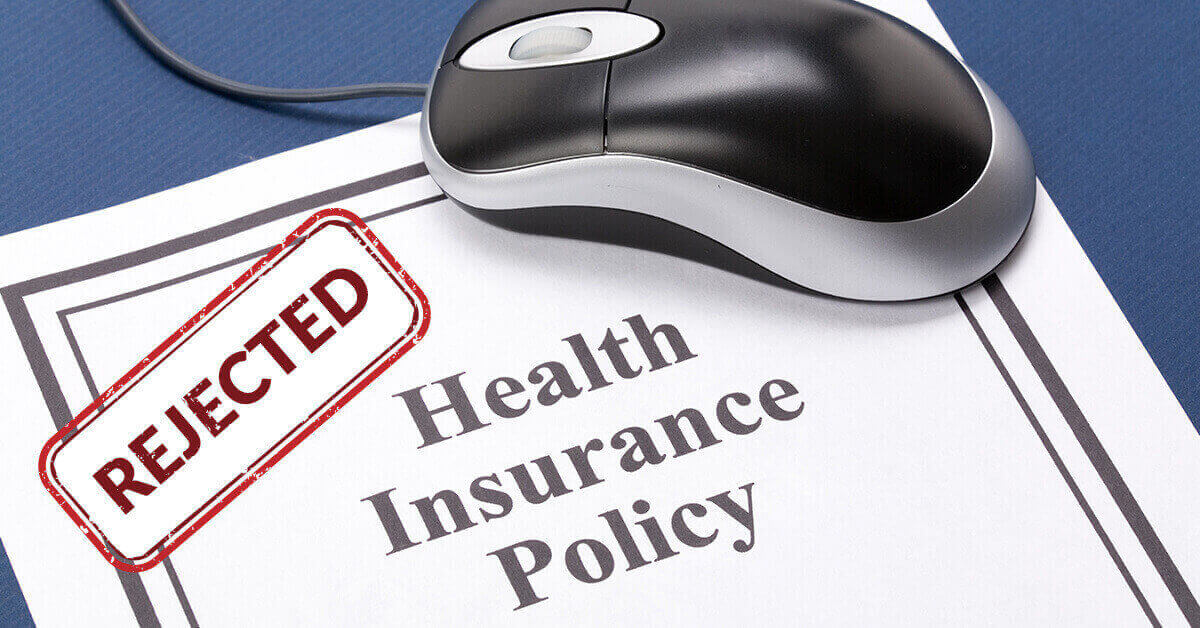
Health insurance provides financial protection during medical emergencies by helping cover treatment expenses. However, many policyholders experience disappointment when their health insurance claim gets rejected. A rejected claim can create additional stress at a time when you are already dealing with health concerns and unexpected medical costs.
Understanding why health insurance claims are rejected is important because many claim issues can be avoided with proper awareness and preparation. From incomplete documentation to policy-related mistakes, several factors can affect whether your claim gets approved or denied.
This article explains the most common reasons for health insurance claim rejection and the steps you can take to improve your chances of a smooth claim process.
What Is a Health Insurance Claim?
A health insurance claim is a formal request submitted by a policyholder or healthcare provider to an insurance company asking for payment or reimbursement of eligible medical expenses.
Depending on the type of health insurance plan, claims are generally processed in two ways:
Cashless Claim: The insurance company settles eligible expenses directly with a network hospital.
Reimbursement Claim: The policyholder pays the medical bills first and later submits documents to receive reimbursement.
In both cases, the claim must meet the terms and conditions mentioned in the insurance policy.
Reason 1: Incomplete or Incorrect Documentation
One of the most common reasons for claim rejection is missing or incorrect documents.
Insurance companies require proper documentation to verify the treatment and expenses. If important documents are missing, the claim process may be delayed or rejected.
Commonly required documents may include:
- Health insurance claim form
- Hospital bills
- Medical reports
- Doctor’s prescriptions
- Discharge summary
- Diagnostic test reports
- Pharmacy bills
- Identity documents
Always check the required document list carefully before submitting your claim.
Reason 2: Policy Does Not Cover the Treatment
Many people assume that all medical expenses are covered under their health insurance policy. However, every policy has specific coverage limits, exclusions, and conditions.
A claim may be rejected if:
- The treatment is not covered under the policy.
- The expense falls under an exclusion.
- The coverage limit has already been reached.
- The procedure requires specific approval.
Reading and understanding your policy terms before purchasing insurance can help prevent confusion during claims.
Reason 3: Claim Filed After the Deadline
Insurance companies usually have specific timelines for submitting claims or informing them about hospitalization.
Failing to notify the insurer within the required time period may create difficulties during claim processing.
To avoid this issue:
- Inform your insurer as soon as possible during hospitalization.
- Follow the claim submission timeline mentioned in your policy.
- Keep records of all communication with the insurance company.
Timely action can make the claim process smoother.
Reason 4: Non-Disclosure of Medical History
When purchasing health insurance, applicants are usually required to provide accurate information about their health history.
A claim may face problems if the insurer discovers that important medical details were not disclosed during policy purchase.
Examples include:
- Existing health conditions
- Previous surgeries
- Long-term illnesses
- Ongoing treatments
Providing complete and honest information helps avoid disputes later.
Reason 5: Treatment During the Waiting Period
Many health insurance policies include waiting periods for certain medical conditions or treatments.
If you file a claim for a condition that is still within its waiting period, the insurer may reject it.
Before making a claim, check:
- Policy start date
- Waiting period details
- Covered and excluded conditions
Understanding these terms helps you know when your coverage becomes active.
Reason 6: Treatment at a Non-Network Hospital
For cashless claims, insurance companies usually have a list of approved network hospitals.
If you receive treatment at a hospital outside the insurer’s network, cashless facilities may not be available.
However, reimbursement options may still apply depending on your policy terms.
Before planned treatment, check the list of network hospitals provided by your insurer.
Reason 7: Policy Has Expired
An active insurance policy is necessary for claim approval.
A claim may be rejected if:
- The policy has expired.
- Premium payments were not completed.
- The policy was not renewed on time.
Regularly checking your policy status and renewal dates can prevent unexpected issues.
How to Avoid Health Insurance Claim Rejection
Taking a few simple steps can improve your claim experience.
Understand Your Policy
Before buying or using health insurance, understand:
- Coverage benefits
- Exclusions
- Waiting periods
- Claim procedures
- Hospital network details
Knowing your policy helps you make informed decisions.
Keep All Medical Records Safely
Maintain copies of:
- Bills
- Reports
- Prescriptions
- Receipts
- Insurance documents
Organized records make claim submission easier.
Provide Accurate Information
Always provide complete and truthful details when purchasing insurance and submitting claims.
Incorrect information can create problems during claim verification.
Contact Your Insurer When Unsure
If you have questions about coverage or claim procedures, contact your insurance provider before taking action.
Getting clarification early can prevent mistakes later.
What Should You Do If Your Claim Is Rejected?
If your health insurance claim is rejected, do not ignore the decision.
You can:
- Request the reason for rejection.
- Review your policy terms.
- Submit additional documents if required.
- Contact customer support.
- Follow the insurer’s grievance process.
If you believe the rejection was incorrect, you may explore further complaint or dispute resolution options available in your region.
Conclusion
A rejected health insurance claim can be frustrating, but many claim problems can be avoided through proper planning and awareness. Understanding your policy, maintaining accurate documents, submitting claims on time, and providing complete information are important steps toward a smoother claim experience.
Health insurance is designed to provide financial support during medical situations. Using your policy responsibly and staying informed can help you receive the benefits you are entitled to when you need them most.
Disclaimer: This article is for informational purposes only and should not be considered financial or insurance advice. Always review your health insurance policy terms and consult your insurance provider for specific claim-related guidance.